Yoga, Meditation or Silent Retreat: Which Type Is Right for You?
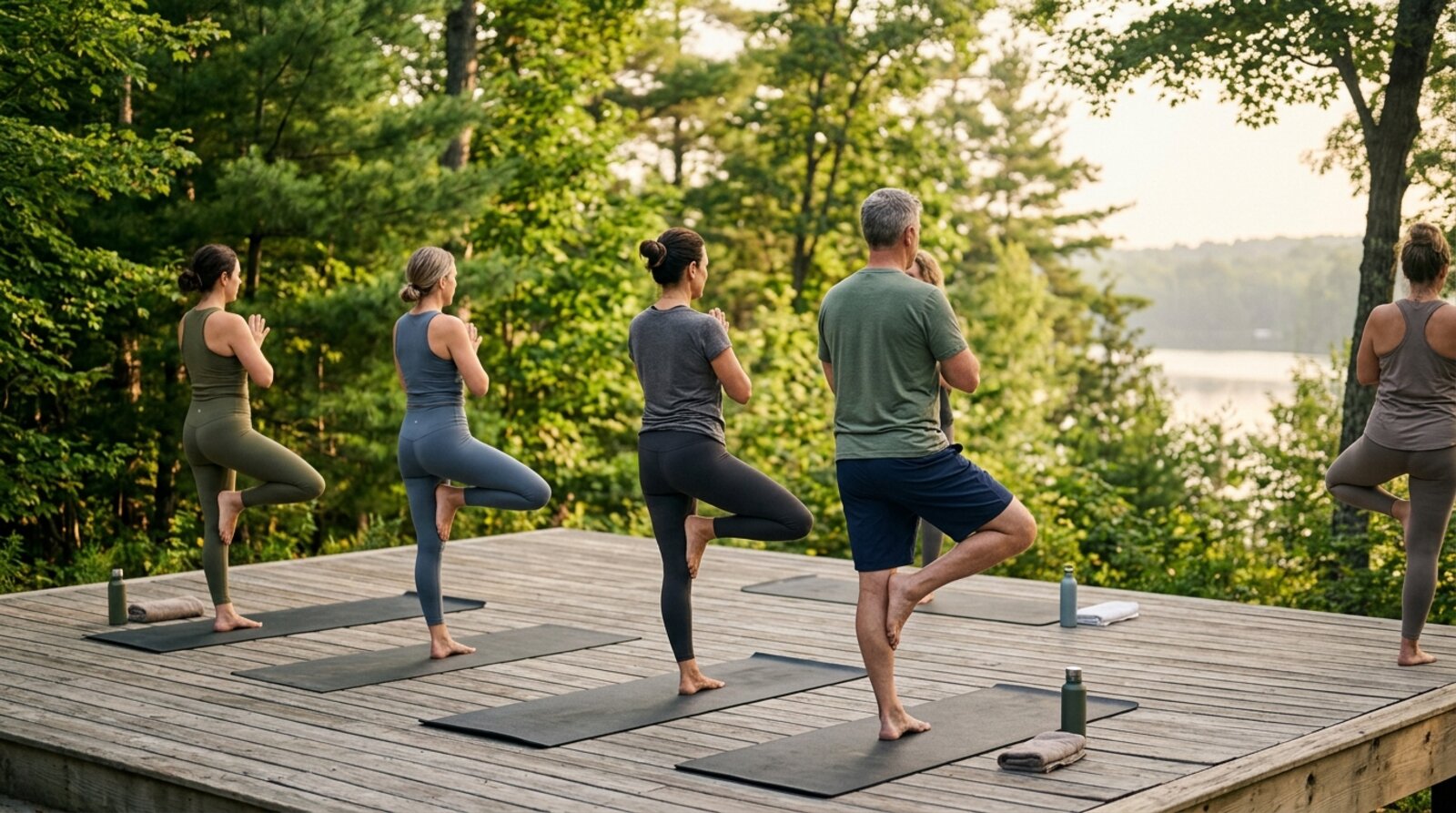
The word retreat covers a dozen very different experiences. A gentle weekend of yoga and good food is a retreat. So is ten days of total silence with eleven hours of meditation a day. Book the wrong one for what you actually want and you will either be bored or completely overwhelmed. This guide skips the brochure language and maps each main type of wellness retreat to a real goal, then walks through who it suits, a typical day, how intense it gets, what you will actually do, the red flags to watch, and roughly what to budget. By the end you should know which category to filter for before you book.
Start With Your Goal, Not the Label
Most people pick a retreat by name, see "yoga retreat" and assume that is the one. A better starting point is the result you are after, because several types can deliver the same outcome by different routes. Five goals come up again and again, and each points cleanly to a category:
- Stress relief and rest: a gentle yoga retreat or a spa-leaning wellness stay.
- A deeper meditation practice: a meditation retreat, or a silent or Vipassana course.
- A spiritual reset: a spiritual or personal-growth retreat.
- A physical reset: a fitness or active retreat.
- A digital detox: a silent or off-grid retreat that enforces it for you.
Hold your main goal in mind as you read. The types below overlap, and many centres blend two or three, but matching the dominant focus to what you want is what stops a booking going wrong.
Yoga Retreats
Who it suits: anyone wanting movement, structure and a clear reset without going to extremes. Yoga is the most common entry point and the easiest first retreat to enjoy.
A typical day: an energising morning practice before or after breakfast, a free middle of the day for walking, reading or a treatment, then a slower restorative session in the late afternoon or evening. Meals are usually vegetarian and shared. At a flexible centre like Kripalu in Massachusetts, classes run from early morning to evening and you choose how much to join, so two guests on the same retreat can have very different days.
Intensity: low to moderate, and you set much of it yourself. Most yoga retreats welcome complete beginners alongside regulars.
What you will actually do: asana practice, breathwork, often some meditation, plus rest and good food. Some retreats add workshops on alignment or philosophy.
Red flags: a schedule so packed there is no genuine downtime, or marketing that promises a "transformation" while glossing over what the days hold. Check whether the level matches yours, since a strong vinyasa retreat will frustrate a beginner and a gentle one will under-deliver for an experienced practitioner.
Budget: a weekend in the US commonly runs about $300 to $700 including lodging and meals, with a week closer to $1,200 to $2,500. A named teacher or destination resort pushes it higher.
Meditation Retreats
Who it suits: people who want to build or deepen a sitting practice, calm a busy mind, or learn a technique properly rather than from an app. You do not need experience, but you do need to be willing to sit.
A typical day: several guided or self-directed sitting sessions spread through the day, often with walking meditation in between, plus a talk from a teacher in the evening. Meals are simple and there is usually real space to rest. Unlike a full silent course, you can normally still talk during breaks at a general meditation retreat.
Intensity: moderate. The challenge is mental rather than physical: sitting with your own thoughts for hours is harder than it sounds, and that is the point.
What you will actually do: learn and practise a technique such as mindfulness of breath or loving-kindness, sit in group sessions, and meet teachers for guidance.
Red flags: a centre that promises quick fixes or charismatic-guru energy rather than a clear method. Reputable centres teach a defined practice and are open about the lineage behind it.
Budget: often the best value of any category. Non-profit centres frequently use sliding-scale pricing, and some courses are donation-based, so a serious week can cost far less than a comparable yoga or spa stay.
Silent and Vipassana Retreats
Who it suits: people ready for a serious, inward experience and a genuine break from talking, screens and input. This is the deep end, and it rewards those who choose it deliberately.
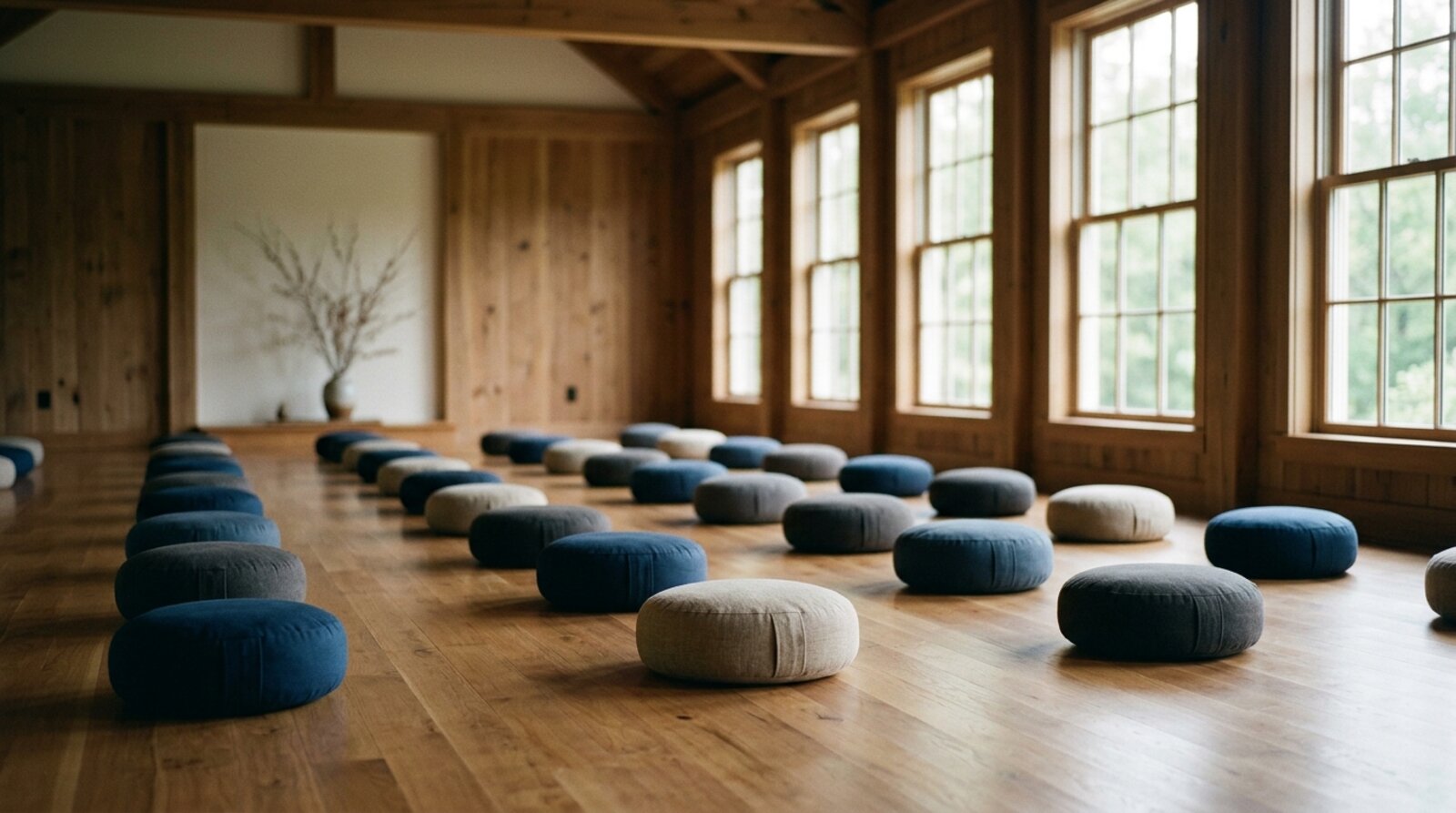
A typical day: on a classic 10-day Vipassana course in the tradition taught by S.N. Goenka, the wake-up bell rings at 4am, meditation runs from 4:30 to 6:30am, and structured practice fills the day until lights out at 9:30pm, adding up to around eleven hours of meditation. There are two meals, breakfast and lunch, with only a light snack later, and an evening discourse. Noble silence means no speaking, eye contact or gestures with other students for almost the whole course, and you set aside phones, reading and writing too. According to Dhamma.org, the official site for these courses, that silence holds until the final full day.
Intensity: high, sometimes the hardest thing people have done. Shorter silent retreats of a weekend or three days exist and are far gentler, so silence does not have to mean ten days.
What you will actually do: meditate, walk, eat in silence and listen to teachings. Almost everything else falls away, which is exactly what makes it powerful.
Red flags: committing to a full 10-day course as your very first retreat with no practice behind you. Going from zero to eleven hours a day of meditation in silence is a steep jump. Build up with a shorter course first if you can.
Budget: some of the cheapest serious retreats anywhere. The 10-day Goenka courses run purely on donation, with no set fee for room, board or teaching, and donations accepted only from people who have completed a course. Other silent retreats follow normal meditation-centre pricing.
Spa and Luxury Wellness Resorts
Who it suits: anyone whose main goal is rest, comfort and being looked after, with wellness woven in rather than demanded. If the thought of a 4am bell horrifies you, this is your category.
A typical day: optional fitness or yoga classes, spa treatments, healthy meals you do not have to think about, and large stretches of genuine free time by a pool or in nature. Almost everything is handled for you.
Intensity: low by design. You opt into activity rather than having it scheduled at you.
What you will actually do: as much or as little as you like, from massage and saunas to gentle classes and walks. The polish is the product.
Red flags: paying resort prices for what is really just a nice hotel with a spa menu, with little real wellness programming. Check that classes, treatments and any coaching are genuinely included or clearly priced, since add-ons stack up fast here.
Budget: the top end. All-inclusive wellness resorts commonly start around $500 to $1,000 a night, and destination fitness ranches can run well beyond that. You are paying for the low-friction experience as much as the wellness.
Fitness and Active Retreats
Who it suits: people after a physical reset, who want to move hard, reset habits and come back fitter. Think hiking, strength work, bootcamp-style days or a kickstart to a new routine.
A typical day: early movement, structured training or guided hikes, fuel-focused meals, and recovery time built in. Some lean sporty and demanding, others blend fitness with yoga and spa recovery.
Intensity: moderate to high, and usually adjustable by fitness level. Be honest about where you are starting from.
What you will actually do: exercise with coaching, often nutrition guidance, and the structure to reset eating and movement patterns.
Red flags: programmes that promise dramatic short-term weight loss or push a punishing schedule with no recovery. A good fitness retreat builds in rest and meets you at your level rather than breaking you.
Budget: wide-ranging, from mid-priced active weekends to luxury fitness ranches above $1,000 a night. Match the level and the price to your real fitness, not your aspirational one.
Spiritual and Personal-Growth Retreats
Who it suits: people seeking a spiritual reset, meaning, or a structured push through a life transition. This is the broadest category, covering faith-based stays, non-religious personal-growth work and everything between.
A typical day: it varies enormously. A monastery or church guest stay might offer quiet, simple meals and optional services, while a facilitated personal-growth programme can be full of workshops, group sharing, journaling and one-to-one sessions. Read the schedule closely, because two retreats under this label can be opposites.
Intensity: emotional more than physical, and it can run deep. Facilitated group work in particular can surface a lot.
What you will actually do: reflect, often through guided sessions, ritual, contemplation or coaching, depending entirely on the centre.
Red flags: high-pressure sales, pushy claims, an unwillingness to explain the methods, or anything that feels controlling rather than supportive. Trust your instinct and check who is leading it and what their background is before you commit.
Budget: a monastery or simple spiritual stay can be $60 to $120 a night with meals, while a structured personal-growth programme with facilitators and one-to-one time can match or exceed luxury yoga pricing.
Pick by Your Goal
If you read only one section, make it this one. Match your main goal to the type, then filter from there:
- I want to switch off and de-stress: a gentle yoga retreat or a spa-leaning wellness stay.
- I want to learn or deepen meditation: a meditation retreat to start, a silent course when you are ready for more.
- I want a genuine break from my phone and the noise: a silent or off-grid retreat, which enforces the detox so you do not have to rely on willpower.
- I want a spiritual reset or meaning: a spiritual or personal-growth retreat, chosen carefully on schedule and who leads it.
- I want to get fitter and reset my habits: a fitness or active retreat pitched at your real level.
- I want comfort and to be looked after: a luxury wellness resort, where the experience is the point.
One last steer for first-timers: a weekend yoga retreat or a gentle meditation retreat is the easiest place to start. Both give structure and support without the demands of long silence or a hard schedule, and they leave plenty of room to discover what you actually want from the next one.
Frequently Asked Questions
What are the main types of wellness retreats?
The most common categories are yoga retreats, meditation retreats, silent or Vipassana retreats, spa and luxury wellness resorts, fitness retreats, and spiritual or personal-growth retreats. They overlap, so many centres blend two or three, but each has a different daily rhythm, intensity level and price. The right one depends on your main goal, whether that is stress relief, a deeper meditation practice, a spiritual reset, a physical reset or a digital detox.
What is the difference between a meditation retreat and a silent retreat?
A meditation retreat teaches and practises a technique in scheduled sittings, but you can usually still talk during meals and breaks. A silent retreat adds noble silence, meaning no speaking, eye contact or gestures with other guests for most or all of the stay. The strictest example is a 10-day Vipassana course, which holds silence until the final full day and asks you to set aside phones, reading and writing. Silence deepens the experience but is far more demanding.
Which type of retreat is best for a first-timer?
A weekend yoga retreat or a gentle meditation retreat is the easiest first step. Both give structure, movement and group support without the intensity of long silence or a strict schedule. If you mainly want rest, a spa-leaning wellness stay works too. Save a 10-day silent course for once you have some practice behind you, because the jump from no experience to eleven hours of daily meditation is steep.
How much do different types of retreats cost?
Roughly, a weekend yoga retreat in the US runs about $300 to $700 with lodging and meals, while a week sits closer to $1,200 to $2,500. Meditation and silent retreats are often the cheapest, with some Vipassana courses run purely on donation. Spa and luxury resorts commonly start near $500 to $1,000 a night, and fitness retreats vary widely. Spiritual stays range from $60 to $120 a night at a monastery up to luxury-yoga pricing for facilitated programmes. For a fuller breakdown, see our guide to what a wellness retreat costs.
Is a Vipassana retreat really free?
The 10-day courses in the tradition taught by S.N. Goenka are run solely on a donation basis, and donations are accepted only from people who have completed at least one course. There is no set fee for your room, board or teaching. You are invited to give what you can at the end so the next person can attend, but the course itself carries no price tag, which makes it one of the most accessible serious retreats available.
How do I choose a retreat type for my specific goal?
Start from the outcome you want. For stress relief, choose a gentle yoga or spa-leaning retreat. For a deeper meditation practice, choose a meditation or silent retreat. For a spiritual reset, choose a spiritual or personal-growth programme. For a physical reset, choose a fitness or active retreat. For a digital detox, a silent or off-grid retreat enforces it best. Once the type is clear, compare specific centres on schedule, intensity and what the price includes.
Find the Right Retreat for You
Once you know which type fits your goal, the next step is comparing real places. Browse our retreat directory to filter US retreat centres by type and location, see how each one structures the day, and check exactly what the price includes before you book. If you are weighing more than one category, start at the Retreat Central homepage for an overview of yoga, meditation, spiritual and personal-growth options across the country, then narrow down to the stay that matches what you are really after.