What to Expect at Your First Wellness Retreat (And Exactly What to Pack)
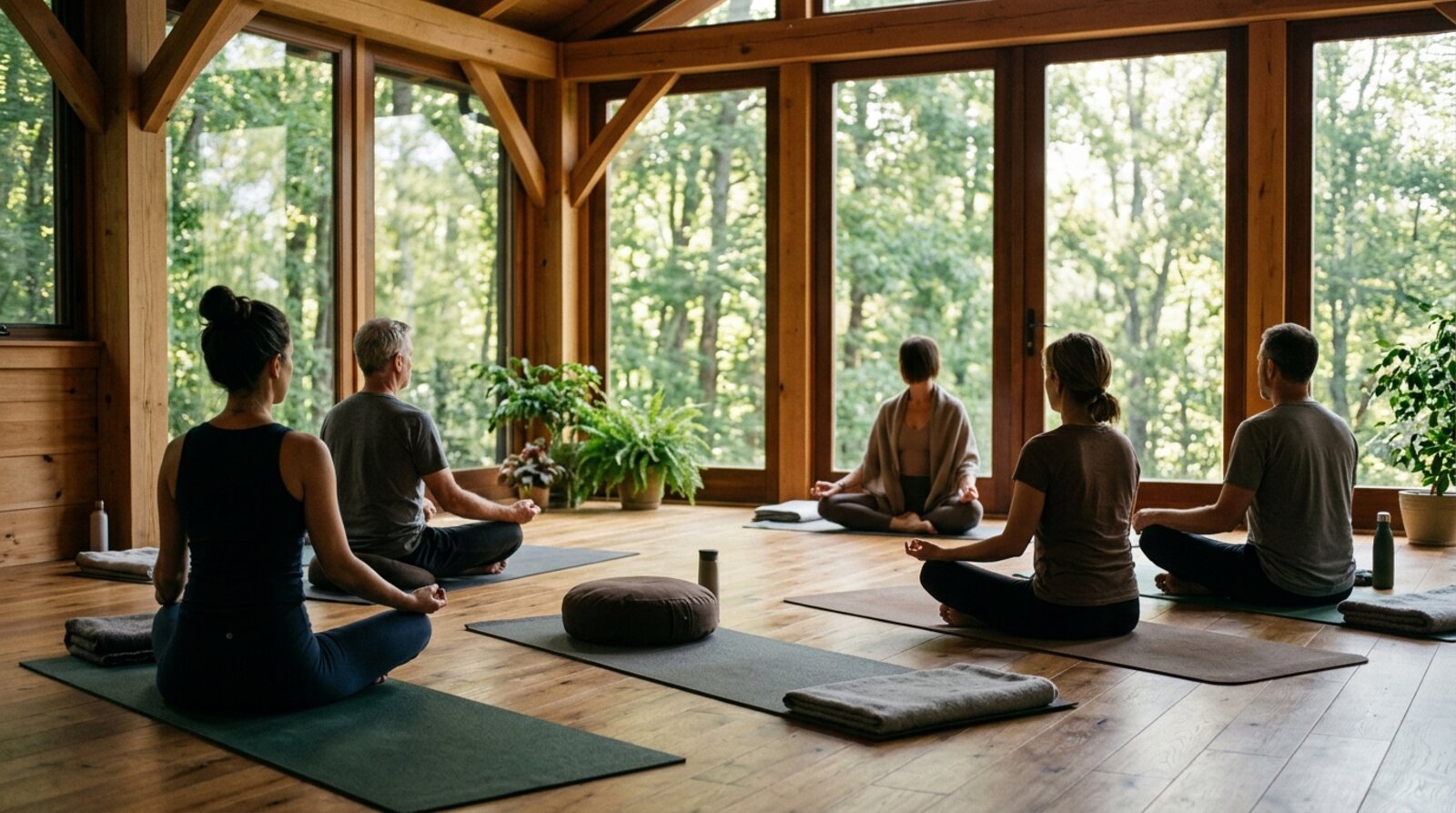
The honest answer to what to expect at a wellness retreat is gentler than most first-timers fear. You arrive in the early afternoon, settle into a quiet room, share a relaxed dinner, and ease into a rhythm of optional morning movement, simple meals and long stretches of free time. There is no test, no pressure to be flexible or spiritual, and almost nothing on day one beyond unpacking and breathing out. This guide walks you through the real day-by-day shape of a retreat, names the worries that keep beginners up at night and defuses them, and finishes with a categorised packing list so you can arrive prepared and calm. Wellness is now a $6.8 trillion economy worldwide, according to the Global Wellness Institute, which means there is a format for every comfort level, including yours.
Arrival Day: The First Few Hours
Most residential centres open for arrival in the early afternoon, not first thing in the morning, which gives you time to travel without rushing. Kripalu in Massachusetts, one of the largest yoga and wellness centres in the country, begins overnight stays at 2:00pm. You check in at a front desk, get a map and a room key or a dorm bed assignment, and then you are usually left alone to unpack and look around.
The structured part of day one tends to be light: a welcome circle or orientation where staff explain the schedule, the layout, the meal times and the house norms, followed by a group dinner. This is where the format clicks into place and the unfamiliar building starts to feel navigable. Nobody expects you to perform, contribute deeply or even talk much. Arriving tired is completely normal, and a good centre builds the first evening to help you decompress rather than dive in.
A Typical Daily Schedule
Once you are past arrival, days settle into a predictable shape that mirrors natural energy: gentle in the morning, active in the middle, restful at night. The exact times vary, but the pattern rarely does. Using Kripalu's published Retreat and Renewal timetable as a real example, a day looks something like this:
- Early morning: optional yoga from around 6:30am, then a short seated meditation near 8:00am for those who want it.
- Breakfast: a silent breakfast served from 7:30 to 9:00am, a calm way to ease into the day without small talk.
- Late morning: a workshop or a more active class, the kind of session the retreat is built around.
- Lunch and afternoon: a main midday meal, then a long open block for rest, a walk, a treatment or a nap.
- Late afternoon: a second gentler class or guided activity, often outdoors if the weather allows.
- Evening: dinner, then a soft optional offering such as restorative yoga, a sound session or simply early sleep.
The key thing to notice is how much of the day is unscheduled. A common rule of thumb is three to four hours of structured activity, with the rest of the day yours. You are not on a packed tour. You are being given permission to slow down, which is the whole point.
Group Time Versus Solo Time
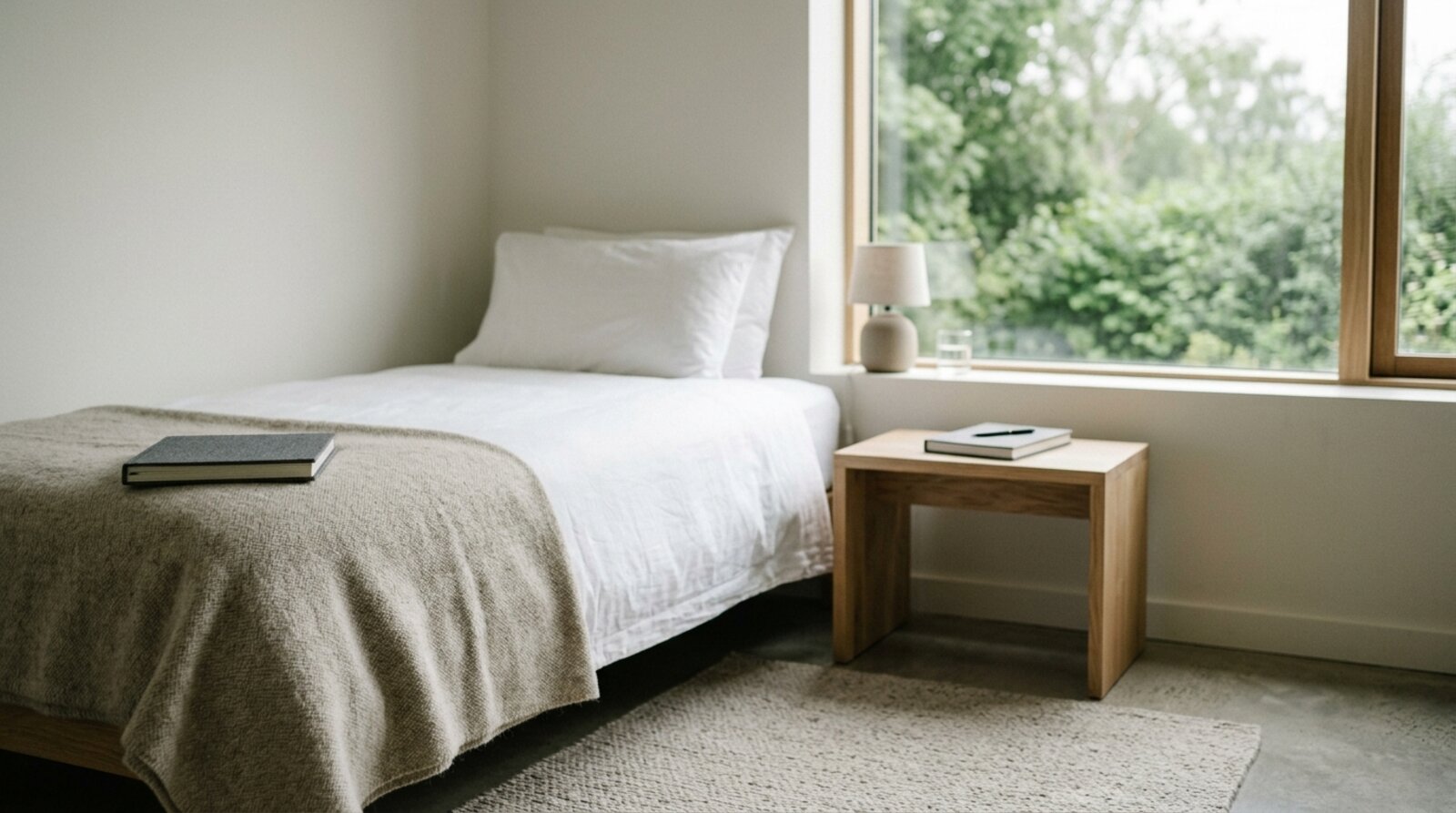
One of the biggest fears for solo first-timers is being trapped in forced socialising or, the opposite worry, sitting alone at every meal. The reality sits comfortably in between. Shared meals and core classes naturally put you alongside the same handful of people for a few days, so acquaintances form without effort. At the same time, afternoons are usually open, and stepping away to read, walk or rest by yourself is treated as healthy, not antisocial.
Going alone is genuinely ordinary at a retreat. A large share of guests at most centres arrive solo, and the format is designed around that. You will not be the only one eating quietly with a book, and you will not be pressured into a group hug. If you want company, it is easy to find. If you want space, that is respected. For a fuller look at this specific worry, our companion guide on whether you can go to a retreat alone walks through the solo experience in detail.
Silence and the Digital Detox
Silence is the part that makes newcomers most anxious, and it helps to know that it comes in very different doses. Many general wellness retreats have no formal silence at all beyond a quiet hour or a silent breakfast, which Kripalu uses as a soft start to the morning. You can talk normally the rest of the time.
Dedicated silent retreats are a separate, more intense experience that you choose deliberately. On a classic 10-day Vipassana course in the tradition of S. N. Goenka, guests hand in their phones and refrain from reading and writing on arrival, and keep noble silence, no talking and no eye contact, for almost the entire stay. The schedule is demanding, with an early wake-up and many hours of seated meditation. People find it profound, but it is not a casual first outing, and nobody is signed up to it by accident. The booking page always states the format clearly.
Digital detox follows the same spectrum. Some centres simply ask you to keep phones out of studios and dining rooms, while stricter programmes collect devices entirely. Either way, switching off is part of the value. The first day without constant notifications can feel strange, and by the second or third it usually feels like relief. If being unreachable worries you, tell one person at home your centre's phone number for emergencies, then put the phone away with a clear conscience.
Food and Meals
Most residential centres serve wholesome, largely plant-based food, often buffet style so you can take what suits you. At Kripalu, three meals a day are included in every rate, alongside daily yoga and use of the grounds, so the cost is genuinely all-in. Stricter meditation retreats keep it simpler: a Vipassana course typically serves breakfast and lunch, with only a lighter tea-time in the evening.
If you have allergies, intolerances or a specific diet, the time to say so is at booking, not at the buffet. Centres cater for dietary needs as a matter of routine when they know in advance. Expect less caffeine, less alcohol and lighter portions than you might be used to, which is part of the reset rather than an oversight.
The Anxieties Beginners Have (And Why They Fade)
Almost every first-timer arrives carrying a version of the same worries. Naming them tends to shrink them.
- "I am not flexible or experienced enough." You do not need to be. Beginner and gentle classes exist precisely for newcomers, and good teachers offer easier options throughout. Nobody is watching or grading you.
- "I will be the only one on my own." Solo guests are common, often the majority. The format is built so that arriving alone is unremarkable.
- "I will get bored or restless in the quiet." Possibly, for an hour or two. Restlessness usually settles into something calmer once the pace of home wears off.
- "What if I do not like it and feel trapped?" Activities are optional at most centres, so you can always retreat to your room, take a walk or rest. You are a guest, not a prisoner of the timetable.
- "It will cost more than I think." It can, if you miss the extras. Our detailed guide on what a wellness retreat actually costs breaks down what the headline price does and does not include.
The pattern with all of these is the same. The fear is loudest before you go and quietest by the second morning, once the place stops being unfamiliar.
What to Pack for Your First Retreat
Packing for a retreat is less about quantity and more about a few right things. Many centres provide yoga mats, props, towels and basic toiletries, so check your booking confirmation before you haul your own. Here is a categorised list that covers most US wellness and yoga retreats.
Clothing
- Two or three sets of comfortable clothes you can move and stretch in, in layers, since studios and mornings can be cool.
- A warm jumper or fleece and a light waterproof, especially at rural or mountain centres.
- Slip-on shoes for moving between buildings, plus sturdier shoes if hikes or walks are on the schedule.
- A swimsuit if there is a lake, pool, sauna or hot tub.
- Comfortable nightwear and a set of clothes you feel relaxed lounging in.
Personal Care and Health
- Your usual toiletries and any skincare you rely on, kept simple.
- All prescription medication, clearly labelled, plus basics like pain relief and plasters.
- A reusable water bottle, which you will use constantly.
- Sun protection and a hat for time outdoors.
Comfort and Practice
- A light shawl or small blanket to stay warm during seated meditation or relaxation.
- Your own pillow if comfort matters to you and you have space, a small touch many returning guests swear by.
- A journal and a pen, for the reflective time you will suddenly have.
- A book or two for the long open afternoons, unless you are attending a strict silent course that asks you to hand them in.
- A travel mat only if the centre confirms it does not provide one.
What to Leave at Home
- Work laptops and anything that ties you to the office, unless the format explicitly allows it.
- Valuables and excess jewellery you would hate to lose.
- Strong scents, since shared studios often ask you to go fragrance-free.
- A rigid set of expectations. The retreats people remember are the ones they let unfold rather than manage.
If you forget something small, do not panic. Most established centres have a shop or will lend you the basics, so a missing toothbrush will never derail your stay.
How to Choose the Right First Retreat
The surest way to remove the unknown is to pick a format that matches your comfort level rather than your ambition. A short, non-silent yoga or wellness weekend within driving distance is the gentlest on-ramp, and you can always go deeper next time. Read the daily schedule before you book, check whether silence or a digital detox is part of the deal, and confirm what the price includes so there are no surprises on arrival.
When you are ready to turn this into a real shortlist, browse our retreat directory to filter US centres by type, location and format, compare what each one includes, and find a first retreat that feels manageable rather than daunting. If you are still weighing up which style suits you, start at the Retreat Central homepage for an overview of yoga, meditation, spiritual and personal-growth options across the country.
Frequently Asked Questions
What actually happens on the first day of a wellness retreat?
Most residential centres open for arrival in the early afternoon. Kripalu in Massachusetts, for example, begins overnight stays at 2:00pm. You check in, find your room, drop your bags, and have some unstructured time to settle. The day usually builds to a welcome circle or orientation and a group dinner, where staff explain the schedule, the layout and the house norms. There is rarely anything demanding on day one, so you can arrive tired and still be fine.
Do I have to do every activity on the schedule?
At most wellness centres, no. Sessions are offered rather than required, and skipping a class to rest, walk or nap is normal and expected. Kripalu states plainly that all activities are optional. Stricter silent courses such as a 10-day Vipassana retreat are the exception, where the full timetable is part of the method and you commit to it when you enrol. Always read the format before booking so you know which kind you are choosing.
How much free time will I get, and will I be alone a lot?
A common pattern is three to four hours of structured activity a day, with the rest left open for rest, reflection or optional extras. You are never forced into constant group contact. Meals and core classes are shared, which makes meeting people easy, but afternoons are usually yours to spend alone if you prefer. Going solo is one of the most ordinary things at a retreat, so you will not stand out.
Will I have to give up my phone or stay silent?
It depends entirely on the retreat. Many general wellness retreats simply encourage you to switch off and keep phones out of shared spaces, with no hard rule. Dedicated silent retreats go further: on a Goenka Vipassana course you hand in your phone, books and journal and keep noble silence for most of the stay. Some centres also run a silent breakfast, like Kripalu does, as a gentle way to start the day. The booking page will tell you which applies.
What food is served at a wellness retreat?
Most residential centres serve wholesome, largely vegetarian food, often buffet style, with three meals a day included in the price at places like Kripalu. Strict meditation retreats can be simpler, for example breakfast and lunch with only a lighter tea-time in the evening on a Vipassana course. Centres routinely cater for allergies and diets if you tell them in advance, so flag any needs when you book rather than on arrival.
What should I pack for my first wellness retreat?
Pack comfortable layered clothing you can move in, slip-on shoes, a reusable water bottle, a light shawl or blanket for sitting, toiletries and any medication, and a journal. Many centres provide yoga mats and props, so check before you carry your own. Leave heavy work tech, valuables and a packed-out schedule of expectations at home. If you forget a small item, most centres have a shop or will lend you the basics.
The Bottom Line for First-Timers
A first wellness retreat asks much less of you than the worry suggests. You turn up, you are shown the rhythm, and you spend a few days moving gently, eating simply and resting more than you do at home. The structure carries you, the free time is yours, and going alone is the norm rather than the exception. Pack a few sensible layers, leave the work tech and the rigid expectations behind, and let the place do its job.
When you are ready to choose, our retreat directory lets you compare US centres by type, location and format, so you can pick a first retreat that matches your comfort level and book it knowing exactly what to expect.