Best Time to Book a Wellness Retreat (For Price and Experience)
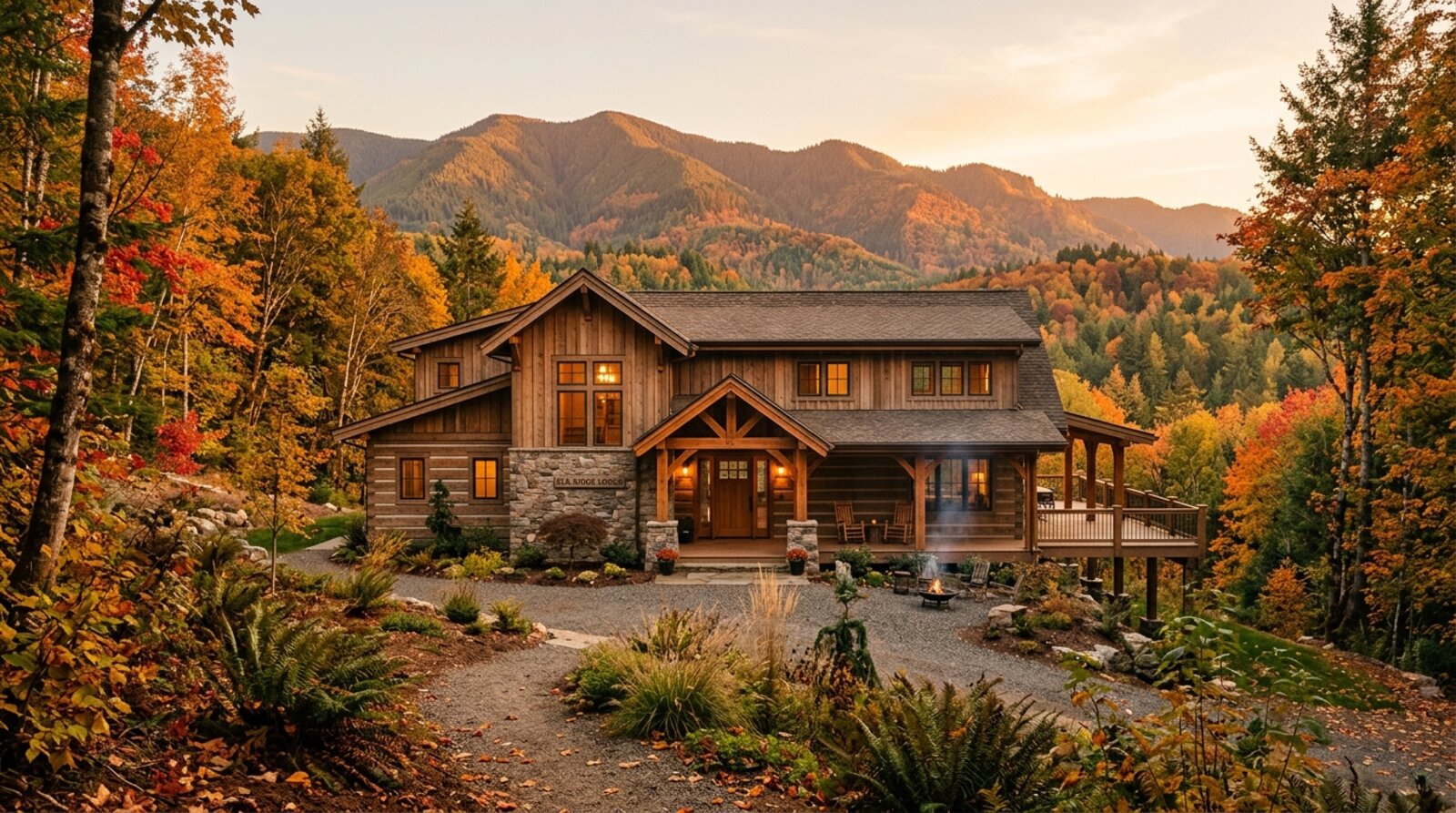
There are really two timing questions hiding inside the words best time to book a wellness retreat, and they have different answers. The first is when to go: which season gives you the right weather, the fewest crowds and the seasonal formats you actually want. The second is when to reserve: how far ahead to book so you catch the early-bird window, the off-season rate or the sliding-scale tier and pay less than the headline price. Get both right and you can save real money while landing the experience you came for. This guide covers each in turn, with verified US examples, then points you to the directory to filter by region and date.
Quick Answer: When to Go, and When to Book
If you only remember two things, make them these. To go, match the season to the region: spring and autumn for the desert, summer for the cool north, winter for stargazing and quiet resets. To book, aim for two to four months ahead for most retreats, earlier for the popular silent and small-group ones, and look for off-season, midweek, early-bird and sliding-scale rates before you pay full price.
The rest of this guide expands both halves with real figures, so you can plan your own trip rather than guess.
Part One: The Best Season to Go
Season is not a detail. It decides the weather you sit in, the crowds you share the space with and, often, the price. The catch is that the best season is regional. There is no single right month for the whole country, so the trick is to match the season to the place.
Desert and Southwest: Spring and Autumn
Desert destinations such as Sedona, Arizona are at their best in spring, roughly March to May, and autumn, September to November, when daytime temperatures sit in the comfortable 60s to low 80s Fahrenheit. Summer is the season to avoid in much of Arizona: the heat turns dangerous and the monsoon storms roll in. Winter is quiet and the cheapest time to visit, with cool, clear days and the occasional dusting of snow on the red rocks. If your dream is a desert yoga or meditation retreat, plan for the shoulder seasons and book early, because those are the busy months for everyone else too.
The North and the Mountains: Summer
Cooler northern centres flip the calendar. New England, the Berkshires and mountain retreats come into their own in summer, when the same heat that punishes the desert makes the north pleasant and green. Kripalu in Massachusetts, one of the largest yoga and wellness centres in the country, leans into this with a summer offer, which is also a clue for booking that we will return to below.
Winter: Dark Skies and the Reset
Winter is the underrated season, and it suits two specific formats. The first is the dark-sky retreat. Long winter nights and crisp, clear air make for the best stargazing of the year, and a growing number of stays sit near places certified by DarkSky International, the non-profit formerly known as the International Dark-Sky Association, which has certified more than 250 International Dark Sky Places worldwide. These retreats pair stargazing with yoga, sound sessions or quiet journaling. The second is the winter reset: a slower, rest-focused stay that uses the dark season for reflection rather than a packed schedule. Both tend to be cheaper than peak summer, so winter often wins on price and atmosphere at once.

Part Two: The Best Time to Book for Value
Once you know the season, the second question is how far ahead to reserve, and where the discounts live. Wellness is now a $6.8 trillion economy worldwide, according to the Global Wellness Institute, and that scale means most centres run several pricing windows at once. Knowing which window you are in is the difference between the headline rate and a noticeably lower one.
How Far Ahead to Book
For most US retreats, two to four months ahead is the practical sweet spot. That window usually catches early-bird pricing, gives you time to arrange travel and time off work, and still leaves a genuine choice of rooms and dates. Popular silent retreats and small-group programmes are the exception. They fill quickly, sometimes within days of dates being released, so for those it pays to book the moment registration opens, often six months or more out. As a rule, the more specific you are about the centre, the teacher or the exact dates, the earlier you should commit.
Off-Season and Shoulder-Season Rates
The most dependable saving is simply going when fewer people do. Shoulder and off-peak months carry lower published rates, and centres then stack seasonal and midweek discounts on top. Kripalu is a clear, verifiable example. For summer 2026 it offers 50 per cent off tuition for midweek Retreat and Renewal stays, bringing the rate to $49 per night plus accommodations with the code RR492026, valid June 1 to August 31, 2026 for stays starting Sunday and ending Friday. There is also a Berkshire-area day-pass discount of 40 per cent for residents within 45 miles on Wednesdays and Thursdays. The pattern repeats across the industry: midweek beats weekend, and the quieter end of a season beats its peak.
Early-Bird Windows
Early-bird pricing rewards committing ahead of the crowd. It typically applies to bookings made at least a month before the start date and usually saves somewhere around ten to twenty per cent. The trade-off is that it locks you in, so check the cancellation terms before you take the discounted rate. If the terms are fair and your dates are firm, the early-bird price is the easiest money you will save on a retreat.
Sliding Scale and Pay-What-You-Can
Some centres go further than discounts and publish a sliding scale, where you pay according to your means rather than a single fixed price. Spirit Rock Meditation Center in California is a well-known example. A six-night residential retreat there lists a base rate of $1,050 set within a sliding scale that runs from $300 to $2,100, so guests who can pay more help subsidise those who pay less. Spirit Rock also runs scholarship rates for people with significant financial need, including young adults and first-time retreatants, applied for through a form on each retreat's page. If a centre offers a sliding scale, the honest figure is whatever you can genuinely afford within the published range, and there is no shame in choosing a lower tier.
Last-Minute Deals
Last-minute deals are real but unreliable. When a centre has empty beds close to a start date, it may discount to fill them, and you can occasionally find a strong bargain this way. The catch is that you take whatever dates and rooms are left, popular retreats rarely discount at all, and you have little time to arrange travel. Treat a last-minute deal as a happy accident rather than a plan. If price is the priority, the off-season is the safer route to a lower rate.
Putting the Two Halves Together
The neatest trips line up both answers. You pick a season that fits the region and the format you want, then you book inside the window that opens up the best rate for that season. A desert reset in late autumn, reserved three months ahead at an early-bird rate. A summer yoga week in the Berkshires, booked midweek to catch the seasonal discount. A winter dark-sky retreat, quiet and cheap precisely because it is the off-season for everyone else. The experience and the price are not in competition once you time both deliberately.
One ordering tip matters here: book the retreat before the flights. Retreat dates, rooms and early-bird windows are the scarce, time-sensitive part. Travel to most US centres stays available and flexible for longer, so lock in the dates and the rate first, confirm the cancellation terms, then arrange the journey around them.
Match the Timing to the Right Retreat
Timing only pays off if the retreat itself is the right fit, which is the step most people rush. Before you commit to a date, it is worth vetting the centre, the teacher and exactly what the price includes, so a good rate does not turn into a disappointing stay. Our companion guide on how to choose a wellness retreat with a step-by-step vetting guide walks through that process in full, and pairs naturally with the timing decisions on this page.
When you have a season and a booking window in mind, browse the retreat directory to filter US centres by region, type and date, compare what each rate includes, and find a stay that lines up with both your calendar and your budget. If you are still weighing up which style of retreat suits you, start at the Retreat Central homepage for an overview of yoga, meditation, dark-sky and reset retreats across the country.
Frequently Asked Questions
How far in advance should I book a wellness retreat?
For most US retreats, two to four months ahead is the sweet spot. That window usually catches early-bird pricing, leaves room to arrange travel and time off, and still gives you a real choice of rooms and dates. Popular silent and small-group retreats book up faster, so for those it is worth reserving the moment dates open, sometimes six months or more in advance. The deeper your heart is set on a specific centre, teacher or date, the earlier you should commit.
Is it cheaper to book a retreat off-season or last minute?
Off-season is the more reliable saving. Shoulder and off-peak months tend to carry lower published rates, and centres add midweek or seasonal discounts on top. Last-minute deals do exist when a centre needs to fill empty beds, but they are unpredictable, the dates and rooms are whatever is left, and the most sought-after retreats rarely discount at all. Plan around the off-season if price is your priority, and treat a last-minute bargain as a lucky extra rather than a strategy.
What is the best season to go on a wellness retreat in the US?
It depends on the region and the format. Spring and autumn suit desert destinations such as Sedona, where summer brings extreme heat and monsoon storms. Summer suits cooler northern centres in New England and the mountains. Winter is the strongest season for dark-sky stargazing retreats and for reset retreats built around rest and reflection, and it is often the cheapest time to go. Match the season to the place and the kind of experience you want.
What are dark-sky and winter reset retreats?
Dark-sky retreats are stays near places certified by DarkSky International, the non-profit formerly known as the International Dark-Sky Association, where low light pollution makes the night sky vivid. They pair stargazing with yoga, meditation or sound sessions, and winter is prime because nights are longest and the air is clearest. Winter reset retreats lean into the slow season with a focus on rest, journaling and gentle movement rather than packed schedules. Both are seasonal formats worth filtering for if you want something beyond a standard summer yoga weekend.
How do early-bird and sliding-scale discounts work?
Early-bird pricing rewards booking well ahead, typically at least a month before the start date, and usually saves around ten to twenty per cent. Sliding-scale pricing is different: centres such as Spirit Rock in California publish a base rate with lower and higher tiers, so guests pay according to their means. A six-night Spirit Rock retreat, for example, lists a base rate of $1,050 within a sliding scale, with scholarships for those with significant financial need. Read the pricing page closely, because these windows and tiers are where the real savings sit.
Should I book the retreat or the flights first?
Book the retreat first. Retreat dates, rooms and early-bird windows are the scarce, time-sensitive part, while flights and trains to most US centres stay available and flexible for longer. Lock in the dates and the rate, confirm the cancellation terms, then arrange travel around them. Booking flights first can leave you committed to a window when your preferred retreat is already full.
The Bottom Line on Timing
Timing a wellness retreat is two decisions, not one. Choose the season that fits the region and the format you want, then book inside the window that opens up the best rate for that season. Aim two to four months ahead as a default, go earlier for the popular silent retreats, lean on off-season, midweek, early-bird and sliding-scale rates, and reserve the retreat before the travel. Do that and you land the experience you came for at a price that respects your budget.
When you are ready to turn timing into a real booking, the retreat directory lets you filter US centres by region, type and date, so you can find a stay that matches both your calendar and what you want to spend.