The 9 Best Silent Retreats in the USA, From Monastery Guest Houses to Zen Sesshin
This list of the best silent retreats in the USA covers nine places, updated November 2026, chosen to span the main ways Americans actually do silence: a quiet room in a working monastery, a teacher-led insight meditation retreat, a strict Zen sesshin and a donation-based 10-day course. Every place below is long established and still taking retreatants. We note what the silence is like at each, who it suits and how payment works, so you can pick the right kind before you pick the place.
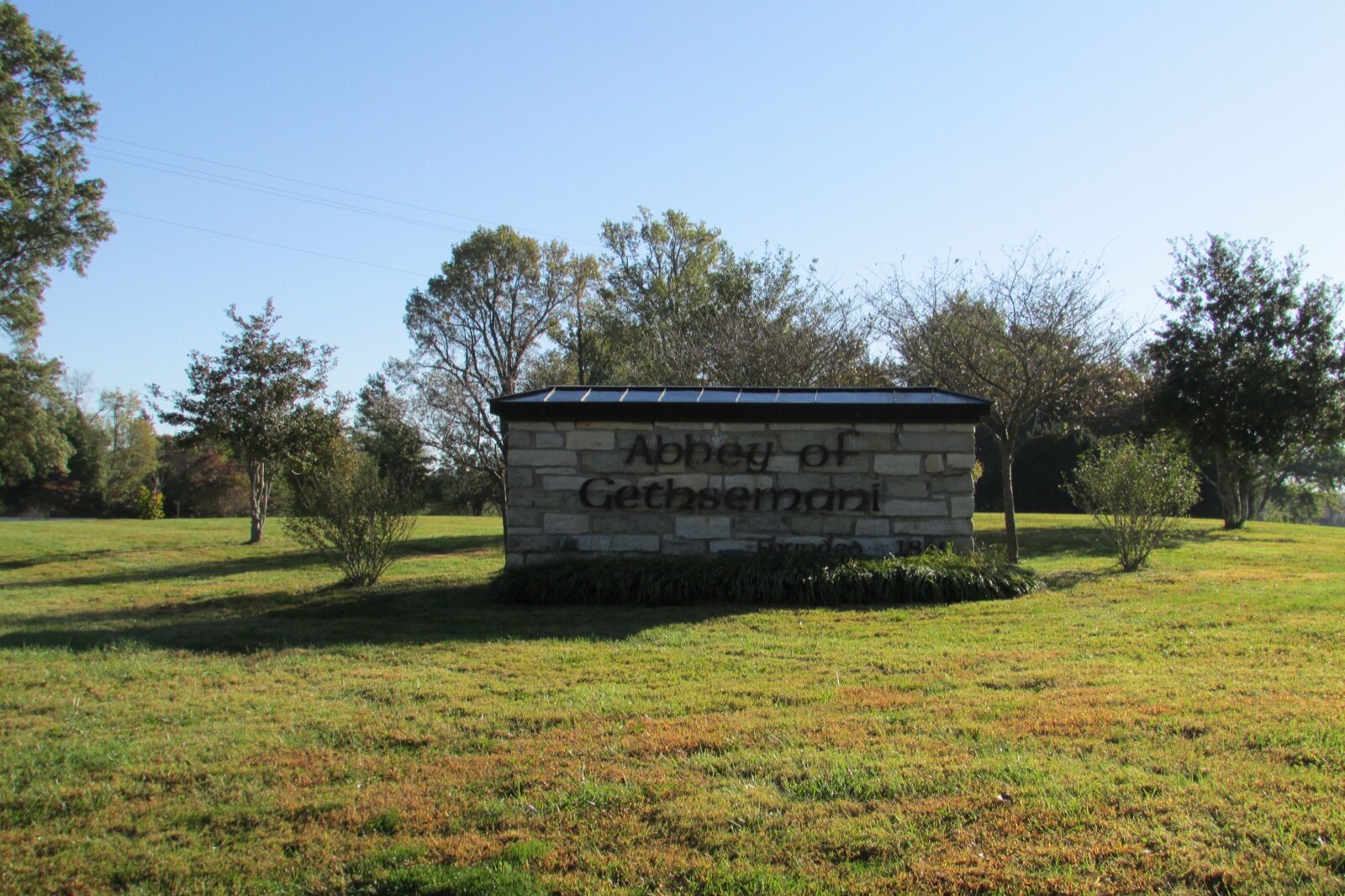

Unstructured silence: monastery guest houses such as Gethsemani, New Camaldoli and Christ in the Desert. You set your own day.
Guided silence: insight meditation centers such as IMS, Spirit Rock, Southern Dharma and Insight Retreat Center, with talks and teacher meetings.
Strict silence: Zen sesshin at Zen Mountain Monastery and Goenka 10-day courses, with a full fixed schedule.
Cheapest: donation-based options, including Goenka courses and Insight Retreat Center.
First, choose your kind of silence
"Silent retreat" covers very different experiences. At a monastery guest house nobody teaches you anything: you get a simple room, meals, the monks' services if you want them and a lot of quiet. At a meditation center, the silence is a tool for practice. You follow a schedule of sitting and walking meditation, hear an evening talk and may meet a teacher briefly, which is the one time you speak. A Zen sesshin or a Goenka course is the same idea at full intensity. If you have never done one, our explainer on what a silent retreat is describes a typical day, and yoga vs meditation vs silent retreats helps if you are still choosing a format.
Monastery guest houses: silence on your own terms
1. Abbey of Gethsemani, Trappist, Kentucky
The Trappist monastery where Thomas Merton lived and wrote is probably the best-known silent retreat house in America. Retreats are silent, unstructured and open to men and women of any faith or none. The retreat house mainly takes individuals rather than groups, and weekend guests need to stay at least two nights. You can join the monks for the daily round of prayer, starting before dawn, or simply walk the knobs and woods around the abbey. Guests under 18 must come with an adult. It books up, so reserve well ahead, and note that the retreat house closes for the community's own retreat for a short period each January.
Best for: a first silent retreat with no program to follow, and anyone drawn to Merton.
2. New Camaldoli Hermitage, Big Sur, California
A community of Camaldolese Benedictine monks high on a ridge above Highway 1, with views over the Pacific. Guests stay in simple retreat rooms or private hermitages, meals are included and there is a two-night minimum. The atmosphere is one of silence and solitude rather than organized activity. The road up is narrow and Big Sur's Highway 1 is sometimes closed by landslides, so check access before you travel.
Best for: solitude with a view; people who want the quiet of a hermitage rather than a meditation schedule.
3. Monastery of Christ in the Desert, Abiquiu, New Mexico
A Benedictine monastery founded in 1964 in the Chama River canyon, reached by about 13 miles of gravel road off US 84. Overnight guests are welcome, and the remoteness does much of the work: there is little phone signal and no town nearby. Guests can join the monks' chanted offices and help with work if invited. Bring a vehicle that can handle the dirt road after rain, and confirm guest arrangements directly with the monastery before you go.
Best for: desert silence and real remoteness.
Insight meditation centers: guided silence
4. Insight Meditation Society, Barre, Massachusetts
One of the most respected meditation centers in the West, founded by teachers including Joseph Goldstein and Sharon Salzberg. IMS runs silent retreats from a weekend to three months, with evening talks and small-group meetings with teachers. Its Forest Refuge is for experienced meditators doing longer self-directed practice. Fees are typically on a sliding scale, with scholarships.
Best for: a well-taught first meditation retreat, or a long one later.
5. Spirit Rock Meditation Center, Woodacre, California
The West Coast home of insight meditation, in the hills of Marin County north of San Francisco. Spirit Rock runs a full calendar of residential silent retreats, from a few days to a month. Expect alternating sitting and walking periods, a dharma talk each evening and a meeting or two with a teacher.
Best for: Bay Area residents and anyone who wants depth with plenty of instruction.
6. Southern Dharma Retreat Center, Hot Springs, North Carolina
A small, rustic, teacher-led center in the mountains of western North Carolina, roughly an hour northwest of Asheville. Silence is kept throughout retreats apart from group discussions and meetings with the teacher. Teachers come from several contemplative traditions, and the program includes beginner mindfulness retreats as well as long retreats for experienced practitioners. Fees use a sliding scale.
Best for: a small group, mountain setting and a gentler entry point in the Southeast.
7. Insight Retreat Center, Santa Cruz, California
Run by volunteers just outside Santa Cruz, this center offers silent insight meditation retreats freely, supported by donations from those who practice there. Days alternate sitting and walking meditation with instruction, talks and practice discussions with teachers. Retreats fill quickly, so watch for registration dates.
Best for: serious practice on a tight budget.
Strict silence: sesshin and 10-day courses
8. Zen Mountain Monastery, Mount Tremper, New York
A Zen Buddhist monastery in the Catskills that holds a sesshin, an intensive silent retreat, most months. A sesshin day starts before dawn and includes several hours of zazen (seated meditation), chanting services, formal silent meals in the meditation hall, silent work practice and talks by the teachers. First-timers need a short pre-sesshin interview, and some sesshins require you to stay the full week. Some weekend programs are offered by donation, and the monastery says money should not keep anyone away.
Best for: people who want structure, rigor and ritual.
9. Goenka 10-day Vipassana courses (nationwide)
The most demanding format on this list, and the cheapest: courses in the tradition of S. N. Goenka are run entirely on donation, with nothing charged to attend. You keep complete "noble silence" for nine days, with around ten hours of meditation daily, no phones, reading or writing. Centers include Dhamma Dharā in Shelburne, Massachusetts, and Dhamma Mahavana in North Fork, California. Our guide to the best Vipassana retreats in the USA lists more, and you apply through dhamma.org.
Best for: people ready for an intense, fixed course.
How the nine compare
| Retreat | State | Style | Structure | Payment |
|---|---|---|---|---|
| Abbey of Gethsemani | KY | Trappist monastery | None; optional services | Contact abbey |
| New Camaldoli Hermitage | CA | Benedictine hermitage | None; optional services | Room rate, meals included |
| Christ in the Desert | NM | Benedictine monastery | None; optional services | Contact monastery |
| Insight Meditation Society | MA | Insight meditation | Full schedule, talks | Sliding scale |
| Spirit Rock | CA | Insight meditation | Full schedule, talks | Sliding scale |
| Southern Dharma | NC | Mixed contemplative | Teacher-led schedule | Sliding scale |
| Insight Retreat Center | CA | Insight meditation | Full schedule, talks | Donation |
| Zen Mountain Monastery | NY | Zen sesshin | Strict, dawn to night | Fee or donation |
| Goenka 10-day courses | Several | Vipassana | Strict, fixed course | Donation only |
Prices and dates change every season, so check each center's own site before booking. Our meditation retreat cost guide explains sliding scales and what dana means in practice, and how to get time off work for a retreat helps when you will be fully offline.
Tips for your first silent retreat
- Start short. A weekend or three nights shows you whether silence suits you before you commit to ten days.
- Tell people you will be unreachable. Give someone the center's office number for emergencies.
- Expect day two to be the hardest. Restlessness usually peaks early and settles.
- Plan a quiet re-entry. Leave a gap before work if you can; our page on what to do after a retreat has ideas.
Frequently Asked Questions
What is the best silent retreat for beginners?
A weekend at a monastery guest house such as the Abbey of Gethsemani, or a short insight meditation retreat at IMS, Spirit Rock or Southern Dharma. Both are gentler than a Zen sesshin or a Goenka 10-day course.
Are there free silent retreats in the USA?
Yes. Goenka-tradition 10-day Vipassana courses charge nothing and run on donations from past students, and Insight Retreat Center near Santa Cruz offers its retreats freely, supported by donations.
Do you have to be religious to go on a silent retreat at a monastery?
No. The Abbey of Gethsemani, for example, welcomes men and women of any faith or none. Joining the monks' services is optional.
How long should a first silent retreat be?
Two or three nights is a sensible start. Gethsemani and New Camaldoli both ask weekend guests to stay at least two nights, which is enough to feel the silence settle.
Can you talk at all on a silent retreat?
Usually only briefly. At meditation centers you speak in teacher meetings or group discussions; at monastery guest houses you may talk to staff about practical matters. Goenka courses keep silence for nine full days.
Browse more retreats in our retreat directory or return to the Retreat Central homepage.