What to Do After a Retreat: A Three-Day Re-Entry Plan and How to Keep What You Learned
What to do after a retreat matters almost as much as the retreat itself. Many people come home from a week of silence, yoga or rest feeling clear and calm, then lose most of it within days because they go straight back to a full inbox, a packed calendar and the news. The return has a shape, and you can plan for it. This page covers what the first week back usually feels like, a simple re-entry plan for the first three days, how to keep one practice going, what to avoid deciding, and when it helps to get support.
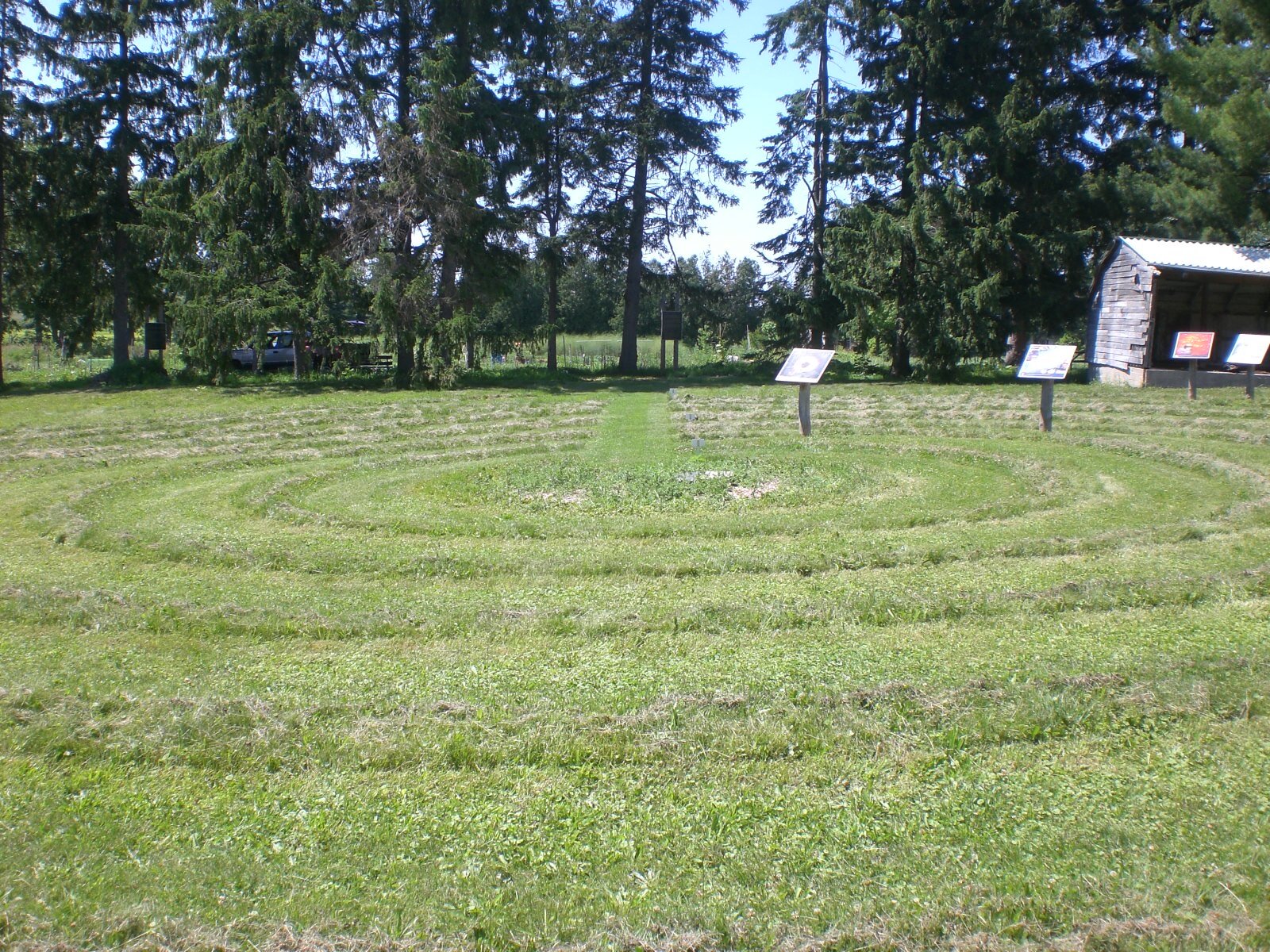

Rule of thumb: a retreat's after-effects tend to last about as long as the retreat did. Plan a soft landing that long.
First three days: light schedule, little news and social media, early nights, and time outdoors.
Keep one thing: one daily practice from the retreat, short enough that you will actually do it.
Hold off: on big life decisions until the retreat has settled.
What coming home from a retreat feels like
Gil Fronsdal, a founding teacher at the Insight Retreat Center in California, describes the return in his essay "The Practice of Leaving a Retreat". He suggests that a retreat continues after its official end for about as long as it lasted, so a week away tends to need a week of settling. In that time people often feel unusually energetic or unusually tired, oversensitive or irritable, and ordinary places such as a supermarket can feel loud and overwhelming.
That is normal, and it is not a sign the retreat did not work. After days of quiet, simple food and no screens, your nervous system has recalibrated to a slower pace. Traffic, notifications and other people's moods arrive all at once. Knowing that in advance makes it much easier not to take the bump personally.
Some people feel the opposite: a flat, slightly sad mood once the glow fades, sometimes called post-retreat blues. It usually passes within days as you settle back into ordinary life.
Start the landing before you leave
Fronsdal notes that thoughts about leaving often start well before the end, around six-sevenths of the way through, so on a seven-day retreat your mind may start packing a day early. Noticing that is part of the practice. Two practical points:
- Stay for the closing. Leaving early to beat traffic means missing the closing talk, the breaking of silence and the goodbyes, which are where many people make sense of the week.
- Do not switch your phone on in the parking lot. Wait until you are home, or at least until you have had a meal. If you must check it, deal only with what is urgent.
A three-day re-entry plan
Day one: arrive slowly
- Leave a gap between getting home and going back to work if you possibly can; even half a day helps.
- Eat simply and at regular times, as you did on retreat.
- Unpack, take a walk and go to bed early. Leave the news and social feeds for another day.
Day two: one practice, one conversation
- Do the practice you most want to keep, whether that is 20 minutes of sitting, a yoga sequence or a morning walk, at the same time as you did on retreat.
- Spend ten minutes journaling: what surprised you, what you want to keep, what you want to stop.
- Tell one trusted person about the experience. Keep it simple; people who were not there will not grasp all of it, and that is fine.
Day three: ease back in
- Return to email in one or two set blocks rather than all day.
- Look at the next two weeks of your calendar and cancel or move one thing that is not necessary.
- Set up the reminders you need to keep your practice going, such as a recurring calendar slot.
Keep one practice, not ten
The most common mistake is trying to keep the retreat's whole schedule at home: two hours of meditation, morning yoga, silent meals and evening journaling. It lasts a few days. Choose one practice and make it small enough to survive a bad week, then build from there.
Fronsdal suggests that meditating two or three times a day in the days after a retreat can support integration, and then you can taper to a steady daily practice. For yoga retreats, a 15-minute version of the morning sequence you learned is more useful than an ambitious plan you drop. If you went for rest or burnout recovery, the practice might be protecting your sleep: phone out of the bedroom and the same bedtime every night.
Many retreat centers offer online sits, alumni groups or day-long programs, and a local meditation group or yoga class gives you people to practice with. Practicing with others is the single most reliable way to keep going.
Do not make big decisions yet
Retreats can bring strong feelings about your job, relationships or where you live, and some of those insights are real. But Fronsdal's advice is to postpone big decisions and grand conclusions, because in the first days back you do not yet see your life in full context. Write the idea down, date it and look at it again in a month. If it still feels right after the glow has faded, it deserves serious thought.
When to get extra support
Intensive retreats, especially long silent or meditation retreats, can occasionally bring up difficult memories or emotions that do not settle. If you have persistent anxiety, low mood, trouble sleeping or feelings of unreality more than a couple of weeks after you come home, contact the retreat's teachers, who have usually seen it before, and talk to your doctor or a mental health professional. If you ever feel unsafe or in crisis, call or text 988, the Suicide and Crisis Lifeline in the US.
Planning the next one
Most people find the second retreat easier, partly because they know what the return feels like. Book home time into the plan: a free day after you get back, and a quieter week. If you want to keep the habit between trips, our guide to a personal retreat at home lays out a 24-hour schedule, and how long a wellness retreat should be helps you choose the length. When you are ready to book, browse the retreat directory or start from the Retreat Central homepage.
Sources: Gil Fronsdal, "The Practice of Leaving a Retreat", Insight Retreat Center; 988 Suicide and Crisis Lifeline.
Frequently Asked Questions
What should you do after a retreat?
Give yourself a soft landing: a light schedule, little news or social media, early nights and time outdoors for the first few days. Keep one daily practice from the retreat and journal about what you want to carry forward.
Why do I feel strange after a retreat?
After days of quiet and simple routine, ordinary noise and screens can feel overwhelming. Feeling extra energetic, tired, sensitive or irritable for a few days is common and usually settles.
How long does it take to adjust after a retreat?
Gil Fronsdal of the Insight Retreat Center suggests the after-effects last about as long as the retreat itself, so a week-long retreat may take about a week to settle.
How do I keep my meditation practice going after a retreat?
Choose one practice small enough to do on a bad day, put it at the same time every day, and find people to practice with, such as a local group or the retreat center's online sits.
Should I make big decisions after a retreat?
It is wise to wait. Write the idea down and revisit it after a month; if it still feels right once the retreat has settled, give it serious thought.